
Banks & Telcos Adopt Silent Verification to Replace OTPs
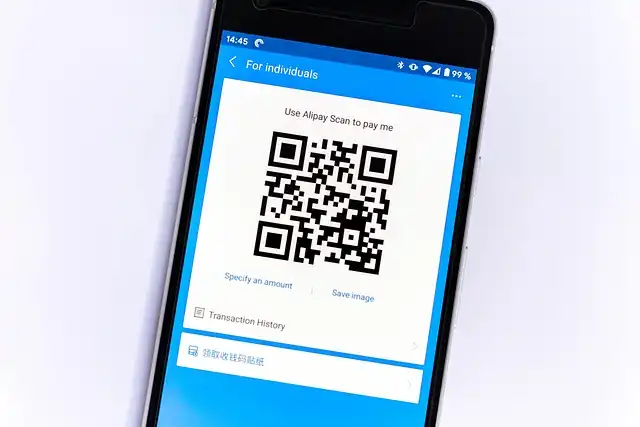
Banks & telcos are replacing SMS OTPs with 'silent verification' (SIM-device match), biometrics (face ID), & in-app OTPs for stronger 2FA security. This collaboration combats SIM cloning & eSIM swap fraud, improving digital transaction safety.
While SMS-based OTPs are not outlawed, the guidelines urge banks and fintechs to embrace even more secure, modern-day techniques, including biometrics (fingerprint/face ID), app-based symbols and device-native security.
The Shift from SMS OTPs
Mumbai: Top economic sector banks and telecommunications firms are replacing one-time passwords (OTPs) and are collectively creating a ‘silent verification system’– a history check that verifies whether the mobile number connected to a financial app matches the SIM presently energetic on the device.
“We keep functioning on a number of pilots in partnership with telecom business for quiet verifications that don’t require consumer activity,” stated Sameer Shetty, team exec– Digital Company, Makeover & Strategic Programs at Axis Bank. “If someone is logged into the application yet the underlying mobile number does not match the one registered on the app, the mobile network can commonly give that signal.
Embracing Biometrics & In-App OTPs
Independently, financial institutions are turning out face authentication– improved the Aadhaar biometric facilities– along with in-app OTP generation on mobile financial systems, as part of their conformity with the Get Financial institution’s two-factor authentication (2FA) mandate relevant to all deals effective April 1.
SIM cloning and eSIM swaps have worked exactly since verification has actually resided in a layer that was very easy to jeopardize, he claimed. “Relocate that verification into the network backbone, make it undetectable to both the attacker and the individual … add Aadhaar face verification and in-app OTP generation to that stack, and you are not counting on any solitary variable any longer. Financial institutions and telcos are proactively building out the API layer to make quiet verification work,” Krishnamurthy said.
“Telcos and banks are collaborating to verify at the network level whether your SIM and gadget really match prior to a transaction gets rid of,” stated Sundareshwar Krishnamurthy, companion and India cyber leader at PwC India.
Strengthening Two-Factor Authentication
According to the brand-new framework, controlled entities need to ensure that all domestic digital settlement purchases must be confirmed through two distinct aspects, such as a PIN/password (something you recognize), an OTP/app token (something you have), or biometrics (something you are).
“This shift will substantially boost both customer experience and safety across the entire environment, brands, financial institutions and clients alike,” stated Nitin Singhal, taking care of director at international cloud communications company Sinch, which is dealing with banks and telcos to enable this capacity.
Combating Digital Fraud & SIM Swaps
If a discrepancy is discovered, the deal can be flagged or blocked in genuine time with no activity required from the client. The modern technology will additionally be extended to eSIM atmospheres. This additional layer of verification is designed to get rid of scams arising from SIM cloning and unsanctioned eSIM swaps– two of the more innovative techniques used by scammers to obstruct OTPs.
“We keep working on several pilots in partnership with telecom firms for quiet verifications that do not require client action,” said Sameer Shetty, group exec– Digital Organization, Transformation & Strategic Programs at Axis Financial Institution. “Relocate that confirmation right into the network backbone, make it undetectable to both the customer and the opponent … include Aadhaar face authentication and in-app OTP generation to that stack, and you are not relying on any type of single factor any longer. Telcos and financial institutions are proactively constructing out the API layer to make silent authentication work,” Krishnamurthy claimed.
1 Biometric authentication2 Fintech security
3 OTP replacement
4 Silent verification
5 SIM cloning
6 Two-factor authentication
« US Report Flags India’s Satellite & Internet Policies as Trade Barriers